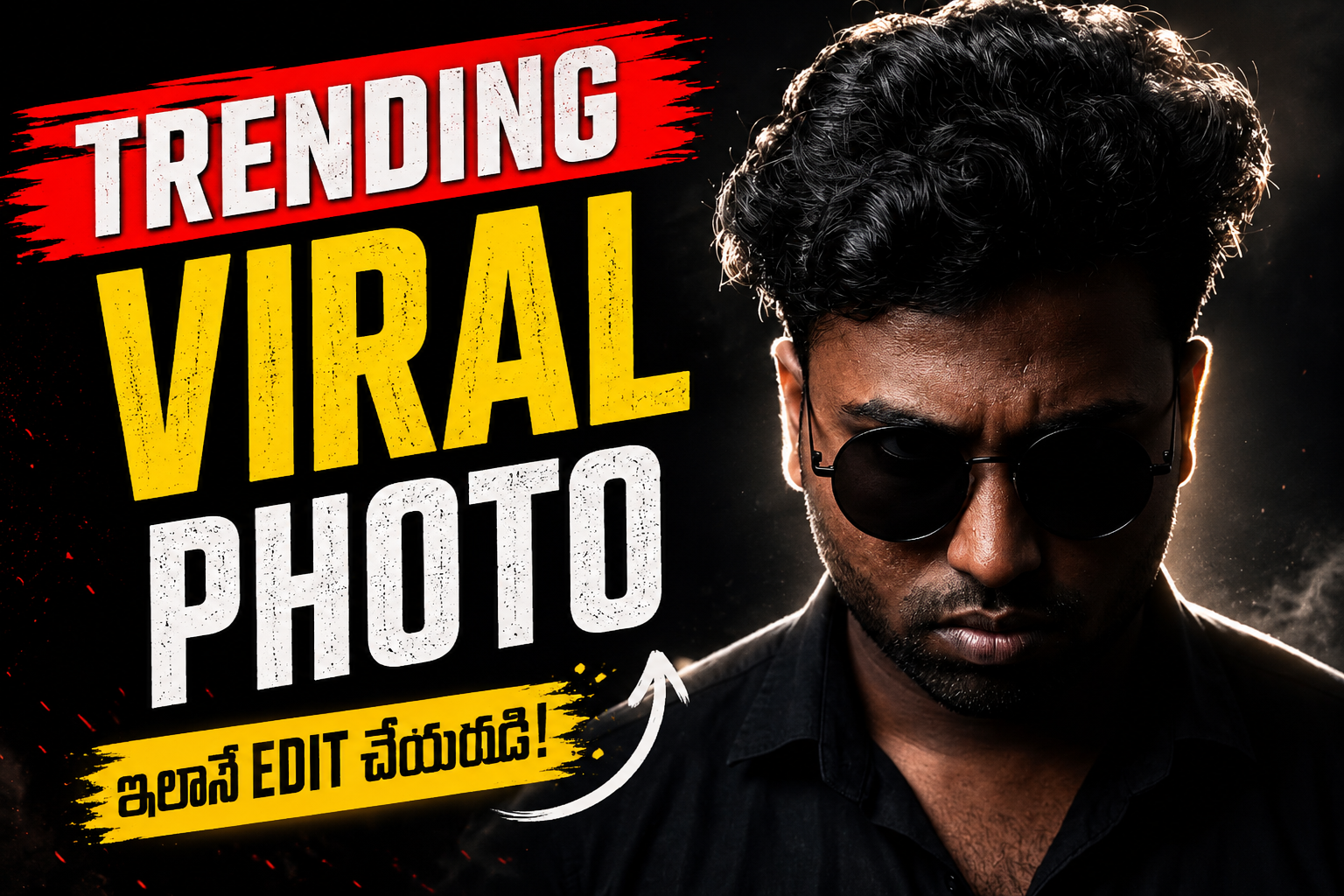
A profile picture can improve recognition and clarity, but it cannot guarantee clicks, followers, reach, or virality. Performance also depends on the account name, content, audience, platform, context, and repeated exposure.
Design for the smallest real display: one clear face or symbol, enough contrast from the background, space for a circular crop, no important detail at the edges, and an expression or visual style that accurately matches the account.
Test the same source image in two or three restrained variations while keeping the identity recognisable. Compare profile visits or follows over a meaningful period without changing the content strategy at the same time; otherwise the picture’s effect cannot be isolated.
The existing AI prompt below describes a synthetic cinematic portrait concept. It is not a promise of real 8K camera detail, exact identity, platform performance, or suitability for a professional identity profile. Label or avoid synthetic identity where the platform or context requires an authentic photograph.
Copy-Ready Prompts
Use the prompts below in ChatGPT, Gemini, or another AI assistant. On your published site, each prompt shortcode will render as a styled prompt card with a copy button.
Prompt 1
Ultra-realistic cinematic studio portrait of a young Indian man, front-facing pose with head very slightly tilted down, eyes looking downward, serious and angry expression, black oversized curly textured hair with strong rim light highlights, wearing round black sunglasses and a black shirt, low-key lighting setup, dramatic side rim light outlining face and hair, deep shadows, dark black background, moody atmosphere, ultra detailed skin texture, sharp jawline, minimal light hitting the face, high contrast photography, editorial fashion portrait, volumetric lighting, DSLR quality, 85mm lens, shallow depth of field, ultra realistic, 8K, centered composition, Instagram aesthetic, cinematic color grading
What makes a profile picture recognisable
A viral profile picture is not just pretty. It grabs attention in a crowded feed, looks clear at tiny sizes and matches your content brand. Think of it as a logo for your face or your project. When people see it again and again in comments, stories or search results, they should recognise it instantly.
Most viral avatars share a few traits. There is a clear subject, usually one person or one symbol, strong contrast between subject and background, a simple color story with one main accent and an expression that matches your niche. For example a finance creator with a calm confident face often works better than an extreme goofy expression.
A profile-picture design and test workflow
1. Define account, audience, and required authenticity
First, decide what you want people to feel in the first second. Trust, curiosity, fun, luxury or relatability. A gaming streamer might want high energy and bold neon colors. A career coach might need warmth and trust using soft lighting and clean backgrounds. Write down three words for your goal before you touch the camera.
2. Capture a clean, adaptable source image
You can use almost any recent phone camera, as long as you pay attention to light and framing. Face a window in the daytime, avoid strong light from behind that turns you into a silhouette and clean the lens before shooting. Use portrait mode if your phone supports it, but check that it does not cut off hair or glasses.
Frame your face from mid chest up and leave a little space above your head. Most platforms crop profile images into a circle, so keep your eyes in the upper third of the frame and avoid placing important details in the corners. Take several variations with different expressions and head angles so you can compare later.
3. Correct clarity without changing identity
Next, move into an editor. Popular options include built in phone editors, Canva, Picsart, Snapseed and many AI based avatar tools. Keep your goal in mind. Increase brightness slightly, add a bit of contrast and sharpen enough so your features stay clear at a small size. Avoid heavy skin smoothing or extreme face reshaping that makes you unrecognisable.
If you use an AI avatar generator, be very strict with selection. Different tools handle faces and skin tones with different accuracy. Many users end up with outputs that look cool but do not really look like them. That might work for anonymous meme pages, but it breaks trust if you sell services or appear on camera.
Background, colour, and pose at thumbnail size
A big reason some avatars go viral is color contrast. Think of a bright warm subject against a cool background or the opposite. For example, a creator might use an orange hoodie against a teal or blue background, which stands out in most app themes. Avoid busy patterns, landscapes with many objects or group photos cropped badly.
For poses, focus on eye contact or a strong side profile. Direct eye contact in close up creates a sense of connection even in a tiny circle. Slight head tilt usually feels more friendly than a straight passport style pose. Smile if it matches your niche, but skip forced or exaggerated expressions that look fake when zoomed in.
Examples for business and creator accounts
Example 1: Small business owner on Instagram
A bakery owner using a distant full body shot in front of the shop often turns into a small blur. After switching to a close up waist up shot holding one signature cake, with a clean pastel background, the avatar becomes recognisable. Followers searching for the bakery on Instagram can instantly confirm they found the correct account.
Example 2: Gaming creator on TikTok
A gamer might start with a random selfie in a dark room. After adding a brightly colored LED strip behind them, wearing a simple black shirt and cropping tight on the face with a headset visible, the avatar suddenly matches gaming content. Combined with consistent colors in thumbnails, viewers start associating that profile image with short highlight clips.
Measured test without a virality claim
Imagine a language tutor launching a TikTok channel. At first they use a casual vacation photo with sunglasses. Profile visits stay low, even though some videos pick up views. They then create a new headshot, facing a window, holding a notebook, with a simple light blue background. They add a thin white outline around the subject using an app like Picsart for extra contrast.
Within a few weeks, comments show that viewers recognise the tutor when similar clips appear on the For You page. The same avatar is used across TikTok, YouTube Shorts and a personal website, which strengthens brand recall. The new profile image did not magically go viral by itself, but it increased click through and made content wins compound faster.
Choose camera, editor, remover, or AI by task
Different tools serve different needs. Some focus on simple edits, others on AI generated styles. Here is a quick comparison of common categories, not specific brand endorsements. Always download apps from official stores and review privacy policies before uploading face photos.
| Tool Type | Best For | Pros | Cons |
|---|---|---|---|
| Phone gallery editor | Basic brightness and crop | Already installed, simple, no extra accounts | Limited filters, weaker background control |
| Canva or similar design app | Adding text, borders, simple branding | Easy templates, desktop and mobile, brand colors | Too many options can distract beginners |
| Portrait retouch app | Skin cleanup and color tuning | Fast face detection, one tap fixes | Easy to over edit, some features behind paywalls |
| AI avatar generator | Stylised or cartoon versions | Fun and eye catching, many style packs | Accuracy varies, privacy concerns, recurring cost |
Crop, identity, clutter, contrast, and testing mistakes
- Group photos where no one can tell which person you are
- Logos or text with tiny fonts that disappear inside a circle
- Low light selfies that look muddy and grainy
- Inconsistent avatars across platforms that confuse followers
- Heavy filters that change your face structure too much
- Cropped images that cut off your chin or top of your head
Before you publish, always zoom out and check your avatar at the smallest size your platform uses. On many phones, you can open your profile on another device or log in from a browser at lower zoom to test this quickly.
Preview platform crops and identity policies
Each platform displays avatars slightly differently and may compress images. Settings can change with updates, but a few patterns are stable. Instagram prefers clear faces inside circular crops. TikTok users react well to bold colorful styles and some creators add small emojis in the corner. LinkedIn rewards clean professional headshots with neutral backgrounds.
YouTube channel icons are tiny on mobile, so keep them extremely simple. If you run a brand channel, consider a logo that is readable in a circle, not just a full horizontal logo squeezed down. On messaging apps like WhatsApp or Telegram, remember that close contacts will see your profile picture bigger, so extreme effects might feel odd.
Aim for recognition, not a viral guarantee
A viral profile picture is not magic, it is the result of a few solid choices repeated with intention. Decide what feeling you want to send, capture a clean photo in good light, edit for clarity and pick colors and backgrounds that stand out without looking fake. When you keep the look consistent across platforms, people start recognising you faster.
You do not need to chase trends or buy expensive cameras to improve results. Start by fixing the basics, test one or two variations and watch how your click through changes over a few weeks. If one version brings more profile visits and follows, stick with it for a while so your audience can lock in that mental image of your brand.
Common questions about profile-picture testing
What size should my viral profile picture be?
Most platforms work well with a square image around 800 by 800 pixels or higher. Upload a clear high resolution square, then let each app crop it into a circle.
Can I use an AI generated avatar as my main profile photo?
You can, but be careful. If you sell services, date or meet clients, keeping your face realistic builds more trust. AI avatars are better for side accounts and experiments.
How often should I change my profile picture?
Not too often. Many creators keep the same avatar for several months. Update only when your look or brand changes or when you have a clearly better image.
Should I add text or a logo on my face photo?
Only if it stays readable at tiny sizes. A small logo in one corner can work for brands, but long words usually turn into fuzzy lines on mobile.
What is the fastest way to improve my current profile photo?
Re crop it tighter around your face, increase brightness slightly, reduce clutter in the background and test a solid color or light gradient behind you.
Thank you for reading this guide. If you found it useful, keep an eye on this blog for more practical tips on tech, useful apps, AI tools and the latest digital updates.