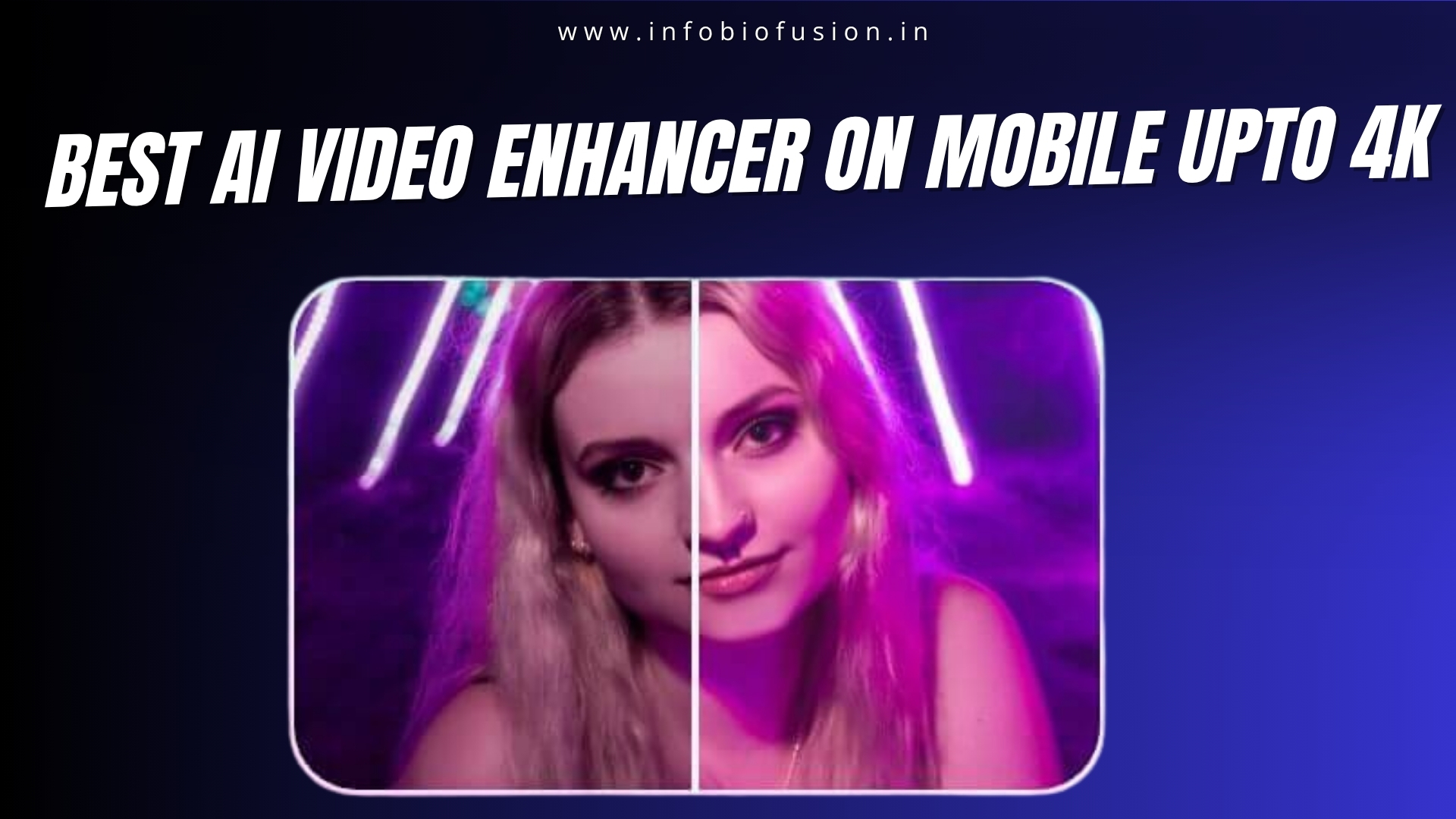
In 2026, realistic face generation has become one of the most advanced and popular uses of AI image tools. People are no longer satisfied with cartoon-style or overly edited images. They want ultra-realistic faces that look natural, detailed, and camera-like. The difference between a fake-looking image and a highly realistic one comes down to how well the prompt is written. A strong prompt can produce lifelike skin texture, natural lighting, and accurate facial features.
What Is a Realistic Face Prompt
A realistic face prompt is a detailed instruction given to an AI tool to generate a human face that looks as close to a real photograph as possible. These prompts include elements like skin texture, lighting, camera quality, facial expression, and background. Without these details, the AI will produce average or artificial-looking results.
Why Realistic Face Prompts Are Trending
This trend is growing because realistic images perform better on social media and content platforms. People are more likely to engage with images that look authentic rather than heavily edited or artificial.
Example one: A high-detail realistic portrait looks like it was taken with a professional camera, so it gains more attention
Example two: A smooth, fake-looking face with no texture looks edited, so people ignore it
Realism builds trust and visual appeal.
Structure of a High-Quality Face Prompt
If your prompt is not structured, your output will be inconsistent. A strong realistic face prompt includes lighting, camera settings, skin detail, and expression.
Example one: “Ultra realistic human face, natural skin texture, soft lighting, DSLR quality, 50mm lens, shallow depth of field, high detail, 4K resolution”
Example two: “Close-up portrait, realistic male face, natural expression, studio lighting, sharp focus, cinematic tone, realistic shadows, high resolution”
These prompts work because they control multiple aspects of the image.
Key Elements You Must Include
If you skip these, don’t expect good results. You need to control how the face looks and how the image is captured.
Example one: Adding “natural skin texture with pores” removes the plastic look
Example two: Adding “soft shadows and realistic lighting” improves depth and realism
These small details make a huge difference.
Common Mistakes to Avoid
Most users write lazy prompts and expect professional results. That’s the problem.
Example one (bad): “Realistic face” → too vague
Example two (bad): “HD face image” → no control over lighting or detail
These prompts don’t guide the AI properly, so results look average.
How to Improve Your Results
You need to refine your prompts step by step. Don’t expect perfection in one try. Adjust and test.
Example one: Add “8K resolution and ultra sharp focus” to improve clarity
Example two: Add “natural facial imperfections” to avoid overly smooth skin
Realism comes from imperfections, not perfection.
Conclusion
Realistic face prompts in 2026 are all about precision and detail. The more control you give in your prompt, the better your output will be. Stop using basic prompts and start defining lighting, texture, and camera settings clearly. If you do that, your images will look professional and stand out instantly.
FAQs
What is a realistic face prompt?
It is a detailed instruction used to generate lifelike human faces using AI tools.
Why do realistic images perform better?
Because they look natural and more visually appealing.
Do I need professional skills?
No, but you need to write clear and detailed prompts.
How can I avoid fake-looking results?
Include skin texture, lighting, and imperfections in your prompt.
Are these prompts useful for social media?
Yes, realistic images attract more attention and engagement.