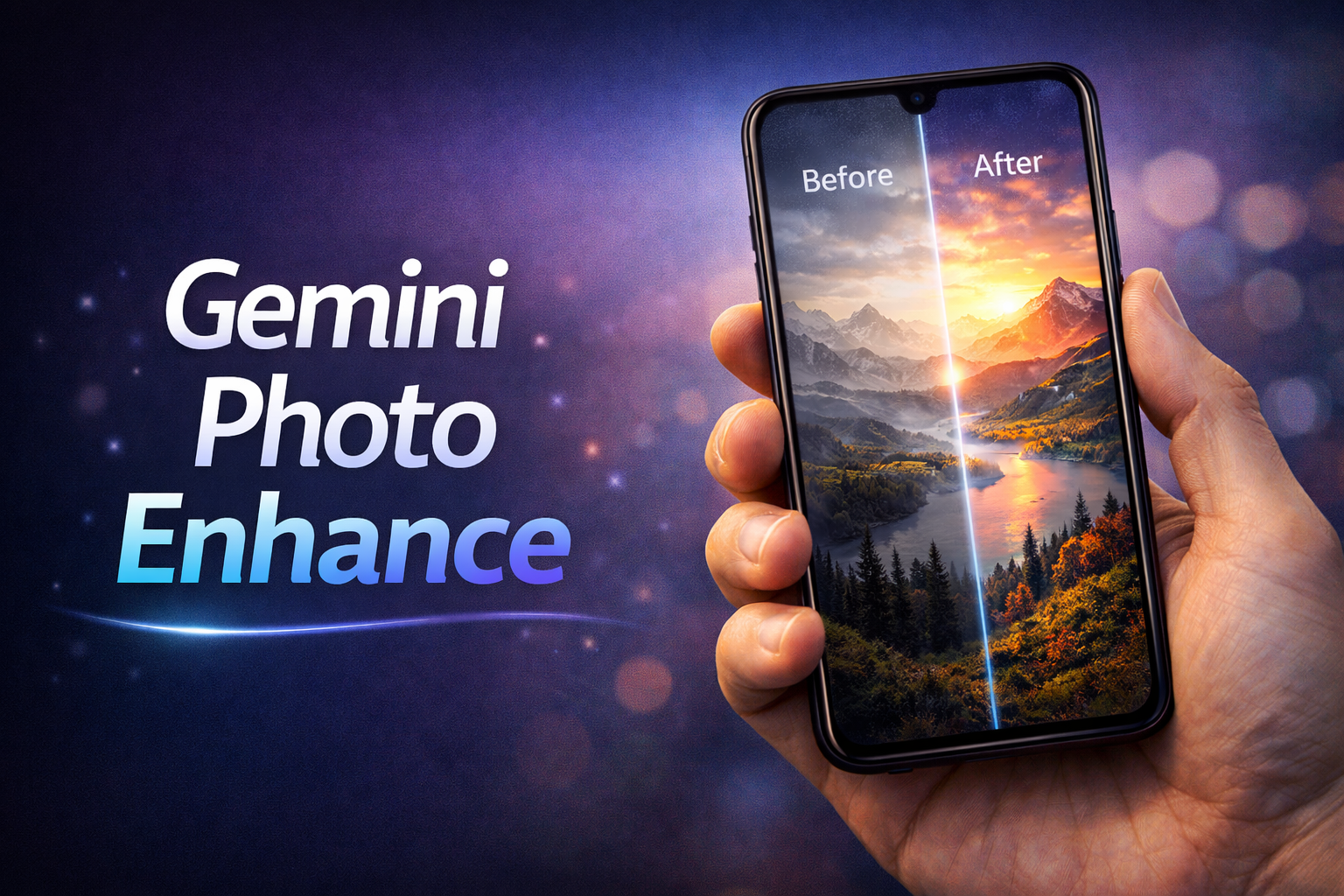
If you’re chasing “best photo quality enhancing websites,” stop assuming one tool will magically fix every bad image. Most people upload garbage-quality photos (low resolution, motion blur, over-compressed) and expect miracles. That’s not how it works. Different tools solve different problems—upscaling, sharpening, face restoration, or color correction. Use the right one for the job or you’ll get fake-looking results.
The first solid option is Let’s Enhance. This is built for increasing resolution without destroying details. It uses AI to reconstruct missing pixels instead of just stretching the image. Example one: if you have a 720p Instagram photo and want to convert it to 4K for YouTube thumbnails, this tool does it cleanly. Example two: if you downloaded an old compressed wallpaper and it looks pixelated on a big screen, this can upscale it while maintaining clarity.
Next is Remini, which is brutally effective for faces but terrible for landscapes. It specializes in facial reconstruction. Example one: if you have a blurry selfie, it sharpens facial features like eyes and skin texture. Example two: if you scan an old family photo, it can rebuild faces that look completely washed out. But don’t use it for general images—it over-processes and makes things look artificial.
Then comes Fotor, which is more balanced. It’s not the most powerful, but it gives control over brightness, contrast, sharpness, and AI enhancement in one place. Example one: if your photo is dull and underexposed, you can fix lighting and colors manually. Example two: if your image looks flat, you can tweak clarity and HDR effects to make it pop without overdoing it.
Another strong option is VanceAI Image Enhancer. This is useful when you need batch processing and multiple enhancement modes. Example one: if you run a content page and need to enhance 20–30 images quickly, this saves time. Example two: if you’re working with anime or digital art, it has dedicated models that improve edges and colors better than generic tools.
Finally, Deep Image AI is good for professional-level upscaling and noise reduction. Example one: if you shoot photos in low light and get grainy results, this reduces noise while keeping detail. Example two: if you want to print images, it prepares high-resolution outputs suitable for large formats.
Here’s the reality most people ignore: no tool can fully fix a badly taken photo. If your image is out of focus or heavily compressed, AI will guess details, not recover them. That’s why you sometimes see weird skin textures or unnatural edges.
If you want actually good results, follow this instead of blindly uploading photos. First, always start with the highest resolution image you have. Second, don’t stack multiple enhancers—one good pass is better than three bad ones. Third, choose tools based on your goal: faces, upscaling, or color correction.
If you want, tell me your exact use case—YouTube thumbnails, Instagram reels, old photo restoration—and I’ll tell you exactly which tool to use and how to get the best output without wasting time.
Why Photo Quality Still Matters More Than Ever
If you think good content alone is enough, you’re already behind. In 2026, visuals decide whether people stop scrolling or ignore you completely. Blurry, low-resolution, or poorly lit images instantly kill attention. It doesn’t matter if it’s for Instagram, YouTube thumbnails, or even a simple blog post. People judge quality within seconds, and once they scroll past, you don’t get a second chance.
The good news is you don’t need expensive cameras or advanced editing skills anymore. Photo enhancing websites powered by AI can turn an average image into something sharp, clean, and visually appealing within seconds. But here’s the catch. Not all tools are actually good. Some just increase brightness or apply filters and call it “enhancement.” That’s not real improvement.
What “Real” Photo Enhancement Actually Means
Before jumping into tools, understand this clearly. Real photo enhancement is not about making your image look fake or over-edited. It’s about improving clarity, fixing resolution, correcting lighting, and preserving natural details. If your image starts looking plastic or unnatural, you’ve already gone too far.
A good enhancement tool should be able to upscale resolution without destroying details, reduce noise without making the image blurry, and improve colors without making them unrealistic. Most people fail here because they push sliders too much or blindly trust auto settings.
For example, if you upload a low-quality selfie and use a poor tool, it may smooth your skin too much and remove all natural texture. That makes the image look artificial. On the other hand, a proper AI tool enhances sharpness while keeping your natural features intact. That’s the difference.
Top AI Photo Enhancing Websites You Should Actually Use
One of the most popular tools right now is Let’s Enhance. It focuses heavily on upscaling images while maintaining details. If you have low-resolution photos, this tool can increase the size without making it pixelated. It’s especially useful for creators who need high-quality thumbnails or prints.
Another strong option is Remini. This tool is known for face enhancement. It sharpens blurry faces and improves details, making it useful for portraits. But here’s the reality. If you overuse it, the image can start looking unnatural. So you need to control how much enhancement you apply.
Then there is Fotor, which offers a balanced approach. It doesn’t just enhance images but also gives you editing controls. This is useful if you want both automatic and manual adjustments. It’s beginner-friendly but still powerful enough for decent results.
Another tool worth mentioning is VanceAI Image Enhancer. It specializes in noise reduction and sharpness improvement. If your images are grainy or taken in low light, this tool can clean them up effectively.
Finally, Upscale.media is a simple and fast option. It doesn’t overwhelm you with features. You upload an image, choose the upscale level, and get a cleaner version quickly. It’s perfect for users who don’t want to deal with complex settings.
How to Choose the Right Tool Instead of Wasting Time
Most people jump from one tool to another without understanding what they actually need. That’s why they never get consistent results. You need to match the tool with your problem.
If your image is low resolution, go for upscaling tools like Let’s Enhance or Upscale.media. If your issue is blurry faces, then Remini is more suitable. If you want overall control with editing, then Fotor makes more sense.
Here’s a clear mistake people make. They use a face enhancement tool for landscape images or use a general editor for serious upscaling. That mismatch leads to poor results.
Common Mistakes That Ruin Your Image Quality
Over-editing is the biggest problem. People think more enhancement equals better quality. That’s completely wrong. Too much sharpening creates harsh edges, too much smoothing removes details, and too much color correction makes the image unrealistic.
Another mistake is starting with extremely low-quality images and expecting miracles. AI tools are powerful, but they are not magic. If your original image is too damaged, the result will still have limitations.
Ignoring lighting is another issue. Even the best enhancement tool cannot fully fix a badly lit image. If the lighting is poor, the output will never look premium.
Real Use Cases Where These Tools Actually Help
Content creators benefit the most from these tools. A YouTuber creating thumbnails can take a decent photo and enhance it to look sharp and eye-catching. This directly impacts click-through rates.
Another example is social media users who want their posts to stand out. A slightly enhanced image looks more professional and attracts more engagement. But again, subtle improvement works better than extreme editing.
Even small business owners use these tools to improve product images. A clearer and sharper product photo increases trust and can directly influence buying decisions.
Free vs Paid Tools: What You Should Know
Free tools are good for basic enhancement, but they come with limitations like watermarks, lower resolution output, or restricted features. Paid tools remove these limits and offer better processing quality.
Here’s the honest truth. If you are serious about content creation or branding, investing in a good tool is worth it. But if you are just experimenting, free versions are enough to get started.
Future of AI Photo Enhancement
AI is improving rapidly, and photo enhancement is becoming more advanced every year. Tools are getting better at understanding details, textures, and lighting conditions. In the future, you can expect even more realistic enhancements with minimal effort.
But here’s something most people ignore. As tools become more powerful, the difference between skilled users and casual users will still exist. Knowing how to use these tools properly will always matter.
Conclusion
Photo enhancement tools are powerful, but they are not a shortcut to perfection. If you don’t understand what you’re doing, you will end up with unnatural and over-edited images. The key is to use these tools with control and purpose.
Choose the right tool based on your need, not based on hype. Keep your edits subtle and natural. And most importantly, start with the best possible image quality you can capture. AI can improve your image, but it cannot completely fix bad input.
If you follow this approach, you will consistently get better results without wasting time jumping between tools.
FAQs
Which is the best photo enhancing website
There is no single best option. Let’s Enhance is great for upscaling, Remini works well for faces, and Fotor is good for overall editing.
Are free photo enhancement tools good enough
They are good for basic use, but they often have limitations. If you need high-quality results without restrictions, paid tools are better.
Can AI completely fix a low-quality image
No. AI can improve an image, but it cannot fully restore details that were never captured in the first place.
Do these tools reduce image quality
Good tools improve quality, but overuse or poor tools can actually make images look worse.
Is photo enhancement safe to use
Yes, as long as you use trusted platforms like Fotor or Upscale.media and avoid uploading sensitive or private images.