Water colour painting has quietly moved from being seen as a traditional or beginner-friendly art form to one of the most expressive and trending styles in modern visual art. What once felt limited to soft landscapes and simple sketches has now expanded into bold, experimental, and emotionally rich creations. The rise of digital platforms, online art communities, and short-form visual content has played a major role in pushing water colour art back into the spotlight.
Unlike heavy or opaque mediums, water colours rely on transparency, flow, and unpredictability. This natural behavior is exactly why the medium feels fresh again. Artists are no longer trying to control every detail. Instead, they are embracing imperfections, fluid movement, and organic textures, which aligns closely with current creative trends.
Why Water Colour Art Is Trending Again
Shift Toward Organic and Handcrafted Visuals
Modern audiences are surrounded by digital perfection. Clean vectors, sharp filters, and AI-generated images dominate screens. Water colour art offers the opposite. It feels human, imperfect, and emotionally grounded. The visible brush strokes, color bleeding, and uneven textures remind viewers that a real person created the artwork.
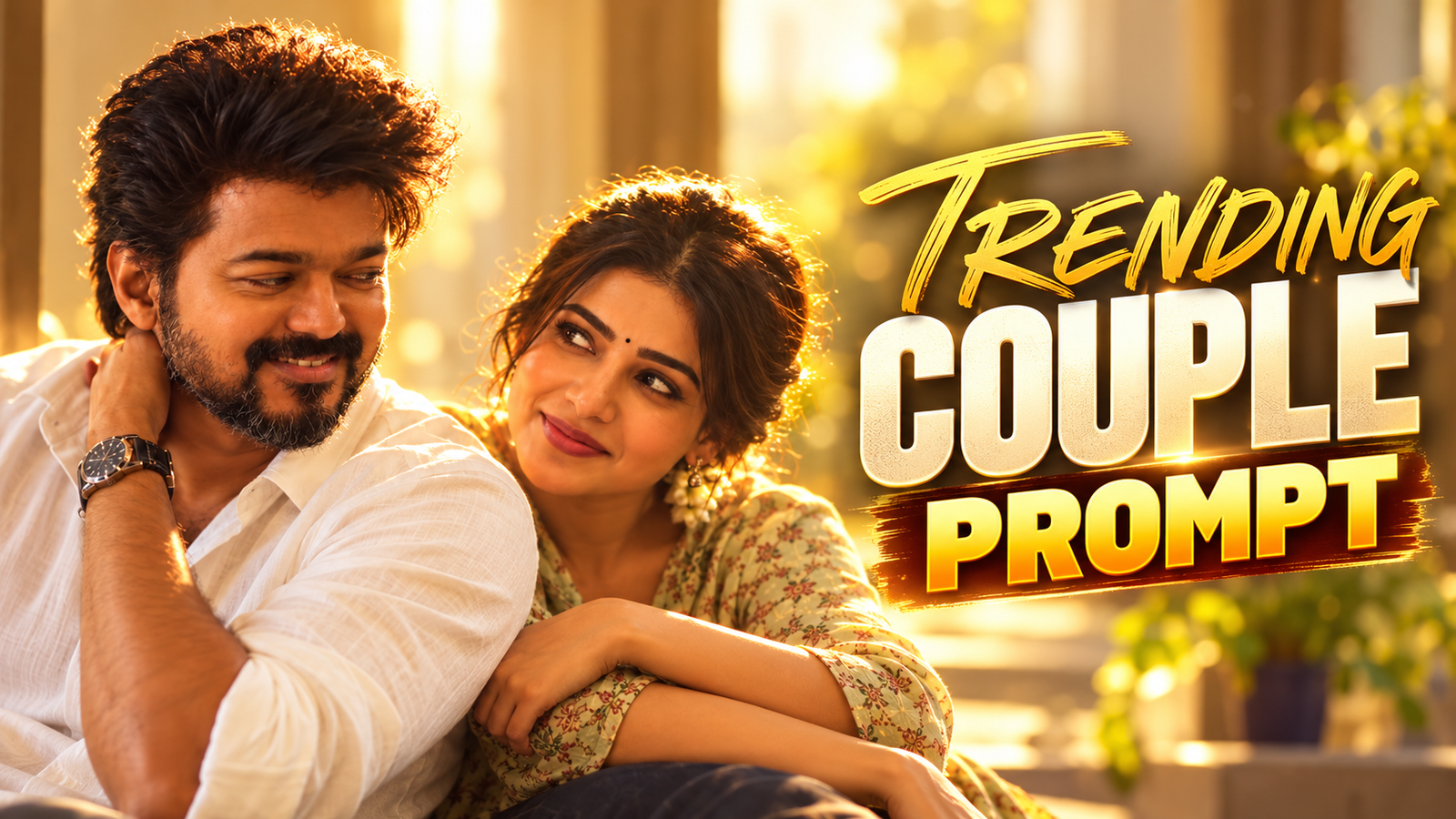
PROMPT 1
Convert the above image into A soft, romantic
hand-drawn digital illustration of an Indian couple
siting at a café table. The man with curly hair and a
short beard rests his face on his hand, gazing
lovingly at the Woman across from him. The woman
is seen from behind wearing a teal sari and
traditional earrings. Minimalist watercolor and ink
sketch style, loose expressive line art, soft muted
teal and sage green color palette, painterly brush
strokes, gentle lighting, intimate mood,
PROMPT 2
A soft, romantic watercolor-style digital illustration of a young Indian couple, capturing a candid joyful moment. The man is smiling and laughing naturally, with curly hair and light stubble, while the woman embraces him from behind, resting her arms gently over his shoulders. Both are wearing pastel green outfits that blend harmoniously with the artwork.

The illustration has a hand-painted watercolor texture with soft brush strokes, subtle paper grain, and gentle color bleeding. The background is minimal and airy, filled with light mint and sage green washes, creating a dreamy, emotional atmosphere.

Natural expressions, warm smiles, and intimate body language are emphasized. Soft diffused lighting, no harsh shadows, calm romantic mood.

High detail on faces while keeping edges slightly loose and artistic.

Ultra-clean composition, elegant, cinematic yet minimal, romantic watercolor illustration style, high quality, aesthetic, timeless artwork.
PROMPT 3
A soft watercolor illustration of a young South Indian
Couple sitting at a cozy café table. The man with
curly hair and a gentle smile is resting his face on
his hand, looking lovingly at the woman. The woman
is wearing a pastel pink saree with jasmine flowers
in her hair, seen from the back. Two cups of coffee
on the WOoden table, small flower vase between
them Warm natural light, dreamy romantic mood,
hand-painted watercolor style, delicate brush
strokes, pastel color
PROMPT 4
Give the exact same face 8k ultra image.A
watercolor painting of a young South Asian man
with wavy dark hair and a beard, leaning on his
hand with a soft smile while looking at a woman.
She is seen from behind, wearinga teal saree and
gold jhumka earrings. They sit at a cafe table with a
white coffee cup and a small vase of pink flowers.
The style features delicate washes, visible paper
texture, and a warm, romantic atmosphere.
PROMPT 5
"prompt": "Romantic watercolor-style digital
illustration of a young couple in an intimate
close-up. girl with dark hair in a messy lovw
bun, loose strands, small gold earrings, smiling
warmly and leaning toward the boy. boy with thick
Curly hair, trimmed beard, smiling up
her,nwearing a black shirt. Faces very close, loving
eye contact. Soft painterly brush strokes, ink
Outlines, warm muted beige and brown tones,
minimal textured background with subtle floral
elements, dream
This contrast makes water colour paintings stand out in digital feeds.
Social Media and Visual Discovery
Platforms focused on images and videos have helped water colour art reach wider audiences. Time-lapse painting videos, process reels, and before-and-after transitions make the medium visually engaging. Watching pigments spread across wet paper creates a calming and satisfying experience for viewers.
As a result, water colour art has become both a creative practice and a form of visual storytelling.
Popular Styles in Trending Water Colour Art
Minimalist Water Colour Illustrations
Minimalist water colour art focuses on simplicity rather than detail. Artists use limited color palettes, loose shapes, and negative space to convey emotion or ideas. These artworks often feature soft backgrounds with a single subject, allowing the colors to breathe.
This style works well for modern decor, book illustrations, and digital content because it feels clean yet expressive.
Abstract Water Colour Compositions
Abstract water colour art is one of the strongest trends today. Instead of realistic subjects, artists focus on movement, emotion, and color interaction. The unpredictable flow of water becomes part of the composition rather than something to correct.
Viewers interpret abstract pieces differently, which makes them more personal and engaging.
Nature-Inspired Water Colour Art
Natural themes remain timeless in water colour painting. Florals, leaves, skies, oceans, and animals are trending again, but with a modern approach. Artists avoid hyper-realism and instead focus on mood, lighting, and color harmony.
Soft gradients and layered washes create depth without heavy detailing.
Portraits with Loose Water Colour Techniques
Modern water colour portraits do not aim for photographic accuracy. Instead, artists combine defined facial features with loose, flowing backgrounds. Skin tones blend naturally, and splashes of color add emotion and personality.
This balance between structure and freedom is what makes these portraits visually powerful.
Techniques That Define Modern Water Colour Art
Wet-on-Wet Technique
This technique involves applying paint onto wet paper, allowing colors to spread and merge naturally. It creates smooth gradients and unpredictable patterns that feel organic and alive.
Artists use this method to build atmosphere rather than sharp details.
Layering and Transparency
Modern water colour art relies heavily on layering. Transparent washes are applied gradually, allowing underlying colors to show through. This builds depth without heaviness.
Layering requires patience, which adds to the intentional and calm nature of the medium.
Controlled Splashes and Drips
Instead of avoiding splashes, many artists use them intentionally. Drips, blooms, and accidental marks add energy to the artwork. These elements break perfection and make each piece unique.
What was once considered a mistake is now a design choice.
Role of Materials in Trending Water Colour Art
High-Quality Paper Makes a Difference
Paper plays a major role in modern water colour work. Textured, thick paper allows better absorption and color flow. Artists choose paper based on how much control or unpredictability they want.
The surface itself becomes part of the artwork.
Modern Pigments and Color Sets
New pigment formulations offer richer colors and better lightfastness. Artists experiment with muted earth tones, pastel shades, and bold accents rather than overly bright palettes.
Color choices now focus more on mood than realism.
Water Colour Art in Digital Spaces
Scanning and Digital Finishing
Many artists combine traditional water colour painting with digital tools. Paintings are scanned and lightly adjusted for brightness or contrast without losing texture.
This hybrid approach allows water colour art to be used in branding, websites, and social media.
Use in Design and Content Creation
Water colour textures are widely used in posters, packaging, book covers, and online visuals. They add warmth and personality to otherwise flat designs.
Brands use water colour elements to appear more authentic and approachable.
Emotional Appeal of Water Colour Art
Calm and Relaxation
Water colour art often feels calming due to soft transitions and natural flow. Viewers associate it with peace, creativity, and reflection. This emotional response is one reason the medium continues to grow in popularity.
In a fast-paced digital world, calm visuals stand out.
Imperfection as a Strength
Modern audiences connect more with imperfect art. Uneven edges, color bleeding, and unfinished areas feel honest. Water colour embraces these qualities naturally.
This makes the art feel relatable rather than distant.
Why Beginners Are Drawn to Water Colour Painting
Low Barrier to Entry
Water colour does not require expensive tools. A basic set of paints, brushes, and paper is enough to start. This accessibility attracts beginners and hobbyists.
Learning happens through experimentation, not strict rules.
Visible Progress Over Time
Beginners can see improvement quickly. Understanding water control, brush pressure, and layering creates noticeable changes in results. This encourages continued practice.
The learning process itself becomes rewarding.
Common Misunderstandings About Water Colour Art
Water Colour Is Not Just for Soft Art
Many people believe water colour is limited to light, gentle visuals. In reality, it can be bold, dramatic, and expressive depending on technique and color choice.
The medium is flexible, not fragile.
Mistakes Are Part of the Process
Trying to “fix” water colour too much often ruins the piece. Modern artists accept mistakes and adapt to them. This mindset shift is key to trending styles.
Control comes from understanding, not forcing results.
Water Colour Art as a Lifestyle Trend
Art as Mindful Practice
Many people paint with water colours for relaxation rather than results. The slow process encourages focus and presence. This aligns with modern interest in mindfulness and creative self-care.
Art becomes therapy, not performance.
Growing Online Learning Communities
Online tutorials, workshops, and art challenges have made learning water colour easier than ever. Artists share techniques openly, creating supportive communities.
This shared learning fuels the trend further.
Future Direction of Water Colour Art
Continued Blend of Traditional and Digital
Water colour art will continue blending with digital platforms. The handmade look combined with digital distribution offers the best of both worlds.
The medium evolves without losing its core identity.
Focus on Personal Style Over Perfection
Future trends will favor individuality rather than technical mastery. Artists will explore unique color combinations, textures, and themes.
Expression will matter more than rules.
Conclusion
Trending water colour paint art is not about returning to the past. It is about redefining how traditional mediums fit into modern creative life. The rise of water colour art reflects a larger shift toward authenticity, emotion, and human touch in visual expression.
Its popularity comes from its ability to balance control and freedom, structure and spontaneity. Water colour painting allows artists to express ideas without over-polishing them, making the art feel alive and personal.
As long as people value creativity that feels real, water colour art will continue to evolve, inspire, and remain relevant in both physical and digital spaces.